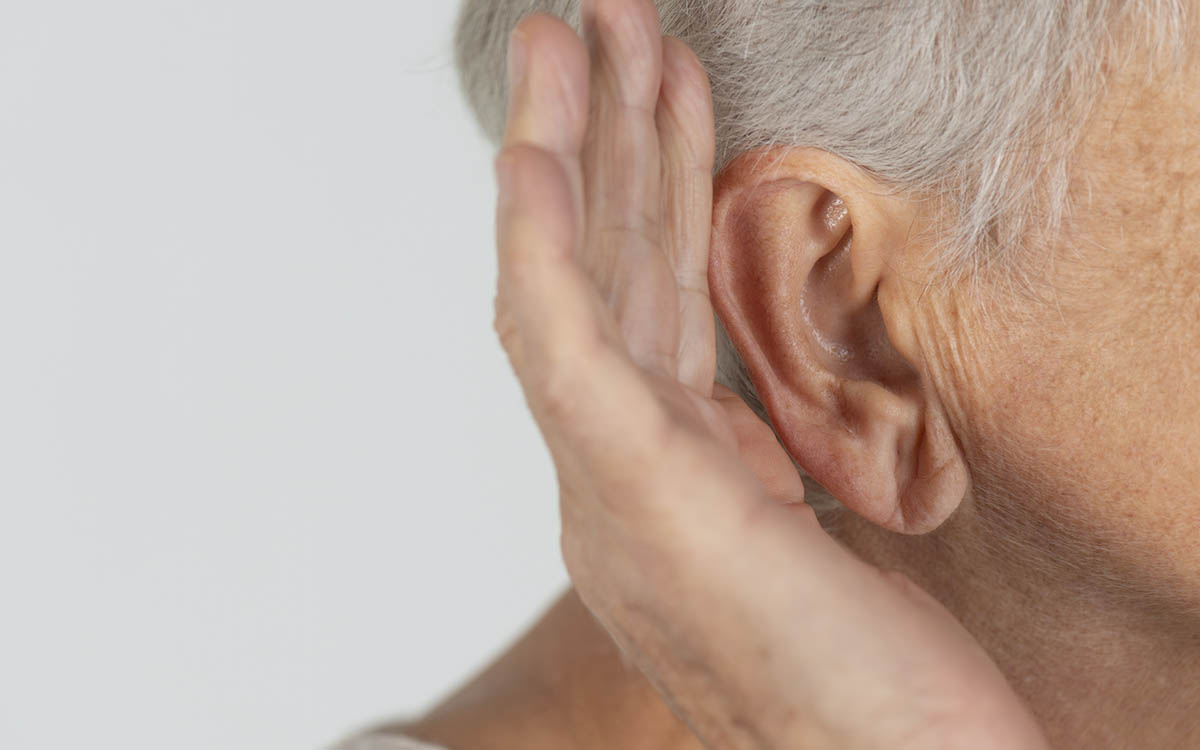
While many individuals correlate hearing loss with getting older, yet for a vast number of citizens, hearing damage begins much sooner. As one of the most prevalent and avoidable types of auditory impairment, noise-induced hearing loss typically progresses slowly, advancing subtly and remaining undiagnosed until the clinical effects are permanent.
An objective understanding of noise-related auditory impact over time allows for preventative measures before major hearing loss develops.
Establishing the Clinical Indicators of Acoustic Injury
Noise-induced hearing loss is characterized by the degradation of intricate inner ear components. Data from the CDC indicate that, sounds above 85 decibels (roughly the volume of heavy traffic) can begin to cause hearing damage with repeated or prolonged exposure. Higher intensity sounds, including those generated by machinery, music venues, or firearms, may result in immediate damage.
The inner ear contains microscopic sensory receptors known as hair cells. These cells convert sound vibrations into electrical signals that your brain interprets as sound. The inability of hair cells to regenerate after trauma explains why noise-induced hearing loss results in a permanent auditory deficit.
The Cumulative Development of Acoustic Injury
A primary clinical concern regarding noise-induced hearing loss is its typically slow rate of progression. Initial signs of auditory overexposure may present as:
- Short-term episodes of Tinnitus or buzzing within the ears
- Subjective hearing attenuation or muffling after high-decibel events
- Impaired speech discrimination in the presence of background noise
Initial symptoms may subside, frequently resulting in the incorrect assumption that hearing function has returned to baseline. In fact, chronic noise exposure causes ongoing trauma to inner-ear anatomy, incrementally diminishing auditory acuity and threshold sensitivity.
The hearing loss Association of America estimates that 48 million individuals in the US suffer from hearing loss, often without recognizing the contributing factors.
Daily Acoustic Sources Contributing to Auditory Injury
The prevalence of loud sounds in daily life often results in a dangerous desensitization to harmful noise levels. Consequently, the frequency of hazardous noise exposure is often underestimated.
Typical noise-generating sources consist of:
- Concert settings and loud musical performances
- High-volume output from personal listening equipment
- Gas-powered lawn tools, industrial machinery, and motorcycles
- Workplace noise in construction, manufacturing, or warehouses
Because these sounds are often part of daily life, damage can accumulate without clear warning signs.
The Imperative of Hearing Safeguards
Unlike other health conditions, noise-induced hearing loss cannot be reversed. Nevertheless, it remains a highly avoidable pathology. Adopting straightforward preventative behaviors can markedly decrease the likelihood of injury, including:
- Employing earplugs or specialized earmuffs during high-decibel exposure
- Limiting headphone decibels and implementing the 60/60 rule for safe listening
- Implementing quiet intervals to permit the auditory system to rest
- Arranging for routine Audiology assessments if noise exposure is frequent
Professional Benchmarks for Consulting Audiology Services
Patients observing ongoing Tinnitus, challenges in conversation, or shifts in auditory acuity should contact an Audiologist. Early assessment is critical for monitoring, education, and the development of protective strategies to help preserve your hearing.
Prioritizing auditory health now ensures the preservation of hearing clarity for the future. Environmental sound may be constant, but the development of hearing loss is not inevitable. Please contact our clinic to arrange a professional consultation regarding your auditory health.