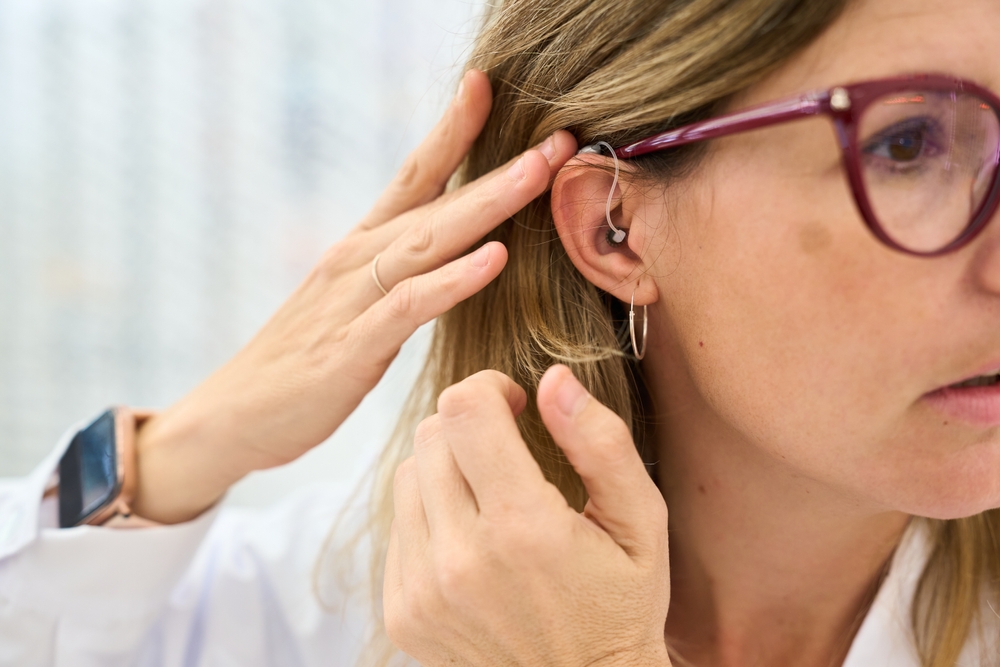
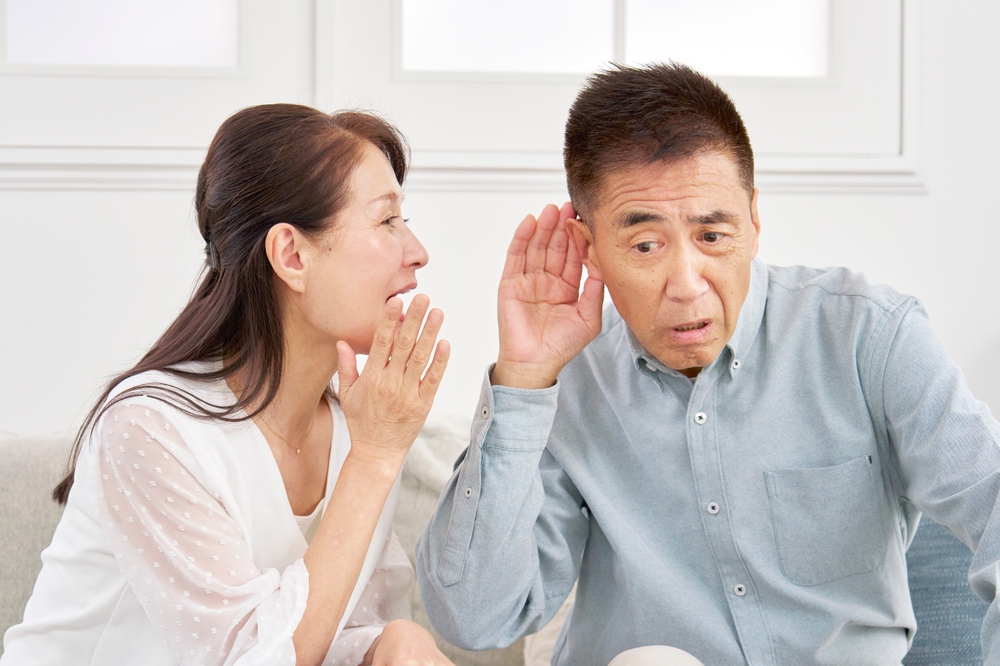
A primary reason individuals put off addressing auditory deficits is the assumption that assistive devices will be unsightly or awkward to wear. Historically, old-fashioned hearing hardware was bulky, obvious to onlookers, and closely linked with the stigmas of aging. Regrettably, some people even experienced social alienation because acquaintances falsely assumed that wearing a visible aid […]
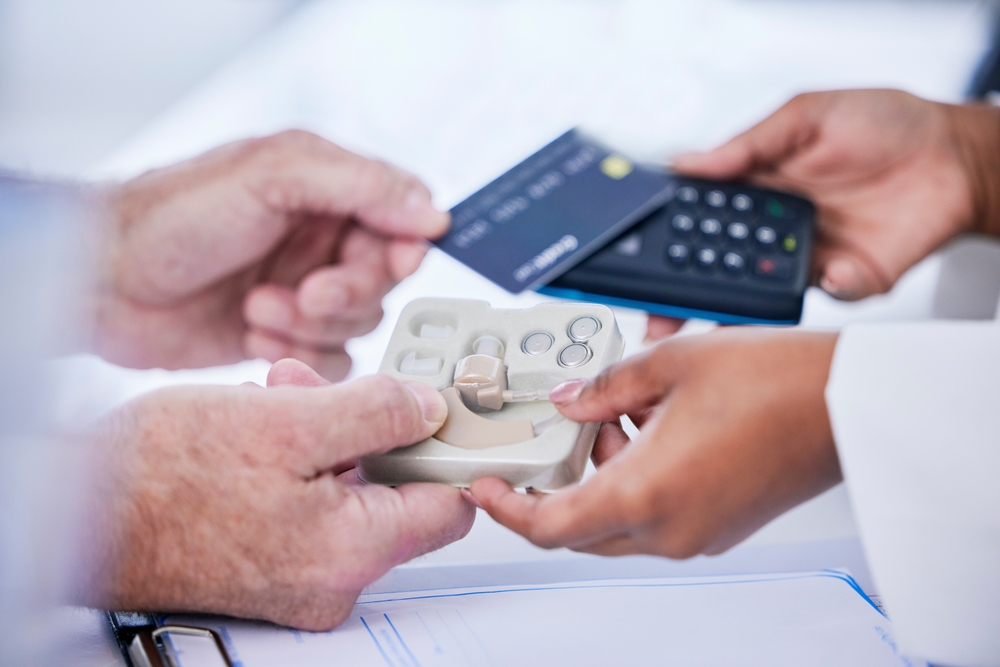
When exploring treatment options for age-related hearing loss or presbycusis, the initial clinical cost of amplification devices can be striking. Based on the sophistication of the digital signal processing and the required audiometric programming, these devices span a wide pricing spectrum. Such a capital requirement often surprises families, leading them to prematurely halt their pursuit […]
Are hearing aids covered by Medicare? To be direct: they are not. Original Medicare does not cover hearing aids. We know that’s not what most people want to hear, and that many patients are surprised by this. Fortunately, there’s more to the story. There are other paths (like Medicare Advantage plans, financing options, and additional […]
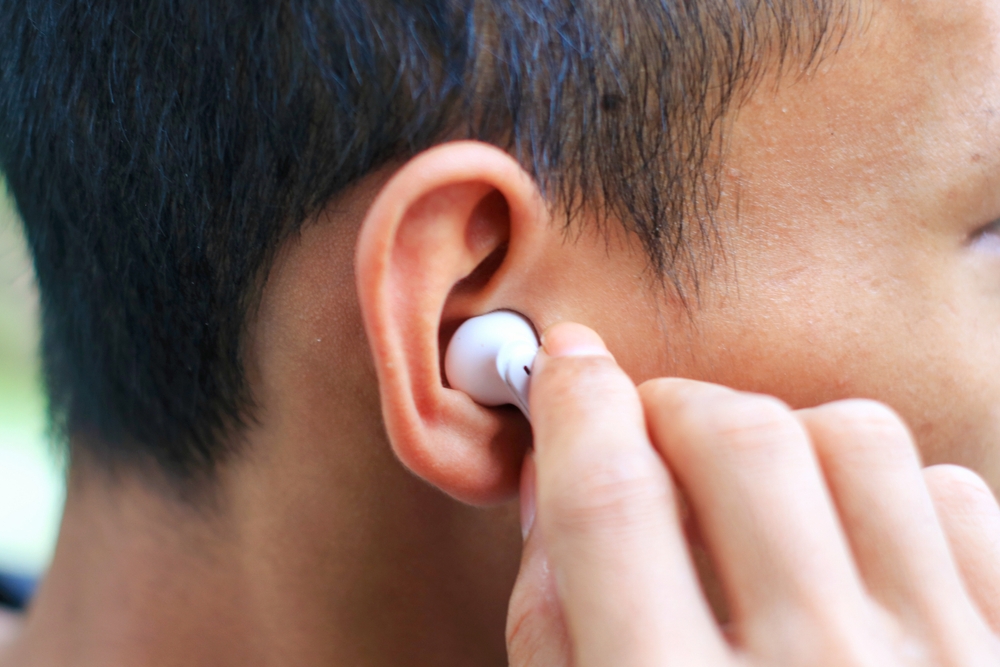
We seldom encounter a teenager or young adult who isn’t currently using a personal audio device. Even with their larger footprint, headphones remain a popular choice for teenagers looking to disconnect from the world. Musical enjoyment knows no age limit, though the younger generation has integrated it more deeply into their daily transitions. Does the […]
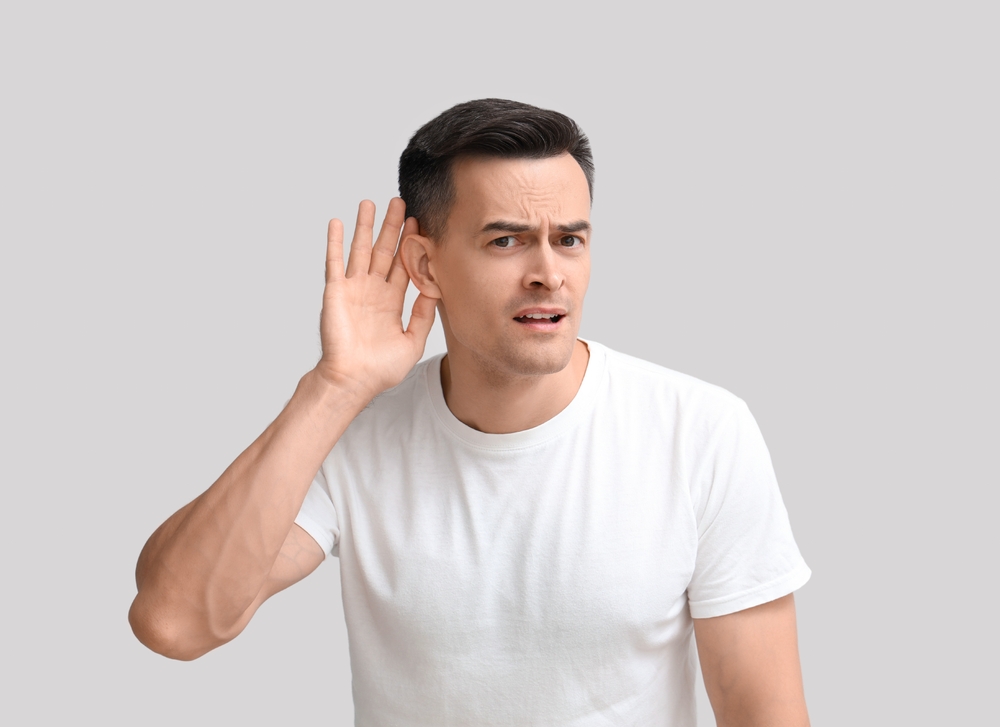
The majority of individuals view auditory perception as a function of the ears, though this is a clinical oversimplification. However, the ability to perceive sound is equally dependent on the auditory cortex as it is on the physical ear. Cognitive hearing is your brain’s ability to interpret and make sense of the sounds your ears […]
Everybody knows that hearing is something your ears do. What we think less about is the role our brain plays in hearing. The peripheral auditory system gathers sound waves, but the brain’s auditory cortex translates them into meaningful information. With the progression of hearing loss, the auditory cortex is deprived of essential frequency information. Over […]
Do you often experience profound mental depletion following extended dialogue or crowded social events? Many individuals mistakenly categorize this depletion as standard daily stress or emotional burnout. It is well-documented that social interaction requires significant energy for introverts and those with sensory integration challenges. Frequently, this specific type of burnout is actually triggered by chronic […]
While auditory decline is statistically prevalent, pervasive misconceptions often deter individuals from pursuing clinical intervention. When managing hearing loss, timely intervention is a fundamental requirement for long-term health. Subscribing to auditory misinformation can hinder treatment timelines and compromise social connectivity. Identifying the facts behind auditory health allows you to navigate clinical options with technical certainty. […]
While auditory decline is often linked to senescence or acoustic trauma, seasonal variables significantly influence functional hearing. Should you notice increased aural fullness during cold snaps or canal irritation in humid months, your observations are likely accurate. Variations in seasonal hearing loss symptoms are standard clinical findings related to changing outdoor and indoor environments. By […]
Most people know loud noise can damage your hearing, but medications are a lesser-known culprit. Any medicinal product that threatens your ears is referred to as an ototoxic drug, which implies a direct danger to the delicate inner ear. Although several ototoxic treatments are vital and successful for managing grave illnesses, understanding the dangers allows […]