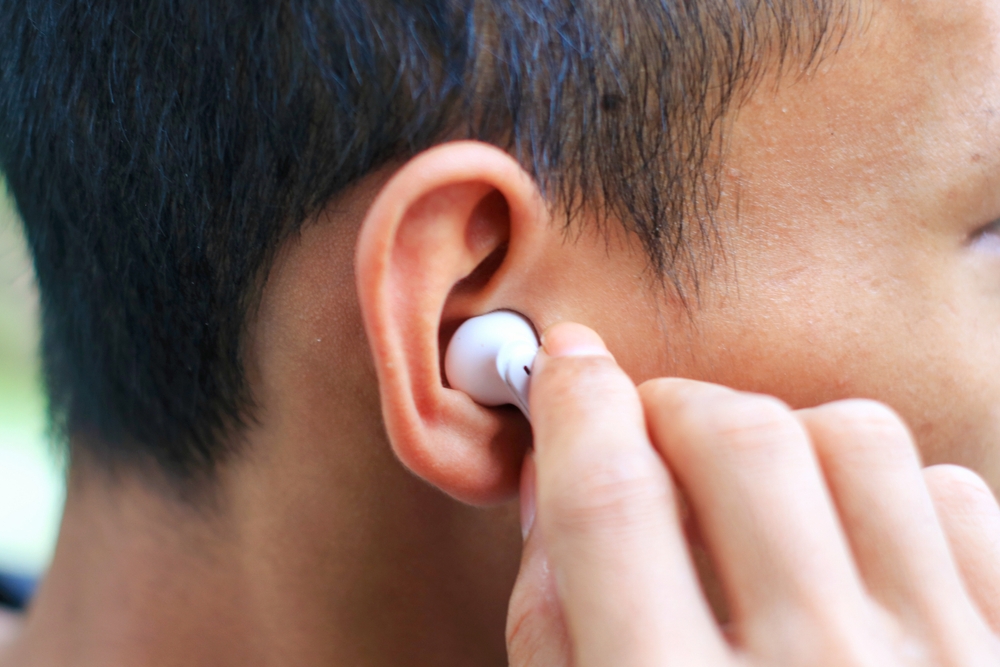
We seldom encounter a teenager or young adult who isn’t currently using a personal audio device. Even with their larger footprint, headphones remain a popular choice for teenagers looking to disconnect from the world. Musical enjoyment knows no age limit, though the younger generation has integrated it more deeply into their daily transitions. Does the immediate physical closeness of these transducers to our ears result in measurable hearing loss? The danger is not inherent to the technology but is instead a product of specific usage habits.
The Risks of Prolonged High-Decibel Exposure
Listening to music can be relaxing, soothe our souls, or wind us up. Depends on the music. Personal audio tech provides a convenient way to consume media without infringing on the silence of those nearby. This behavior is socially beneficial, and commuters often report a preference for this shared auditory boundaries on public transit.
From an audiological perspective, we must define the specific thresholds for safe volume and exposure duration. The truth is, loud noise in general is damaging to your ears and your hearing. Combining high-intensity sound with extended exposure times can lead to permanent sensorineural damage. Because auditory decline is often a slow, cumulative process, the damage is frequently advanced before symptoms are noticed.
Why Earbuds Pose a Unique Threat to Hearing Health
Volume is the key danger for noise-induced hearing loss. Despite this, the cumulative hours of exposure are just as dangerous as a single loud blast.
- Clinical guidelines from the NIH suggest that listening at or below 70 dB prevents damage regardless of the duration.
- There is a direct correlation between increased sound pressure and the speed of hearing degradation.
- Audiologists recommend the 60/60 rule: stay below 60% of max volume and limit sessions to one hour.
- Protect your hearing by turning down the volume on your device and limiting your exposure.
Indicators That You May Need a Hearing Evaluation
If you commonly hear muffled sounds, find it difficult to understand conversations in noisy places, have ringing in your ears (tinnitus), and frequently ask people to repeat what they said or to speak louder, it’s time to have a hearing exam with a professional.
Contact our office today if you suspect you may have hearing loss.