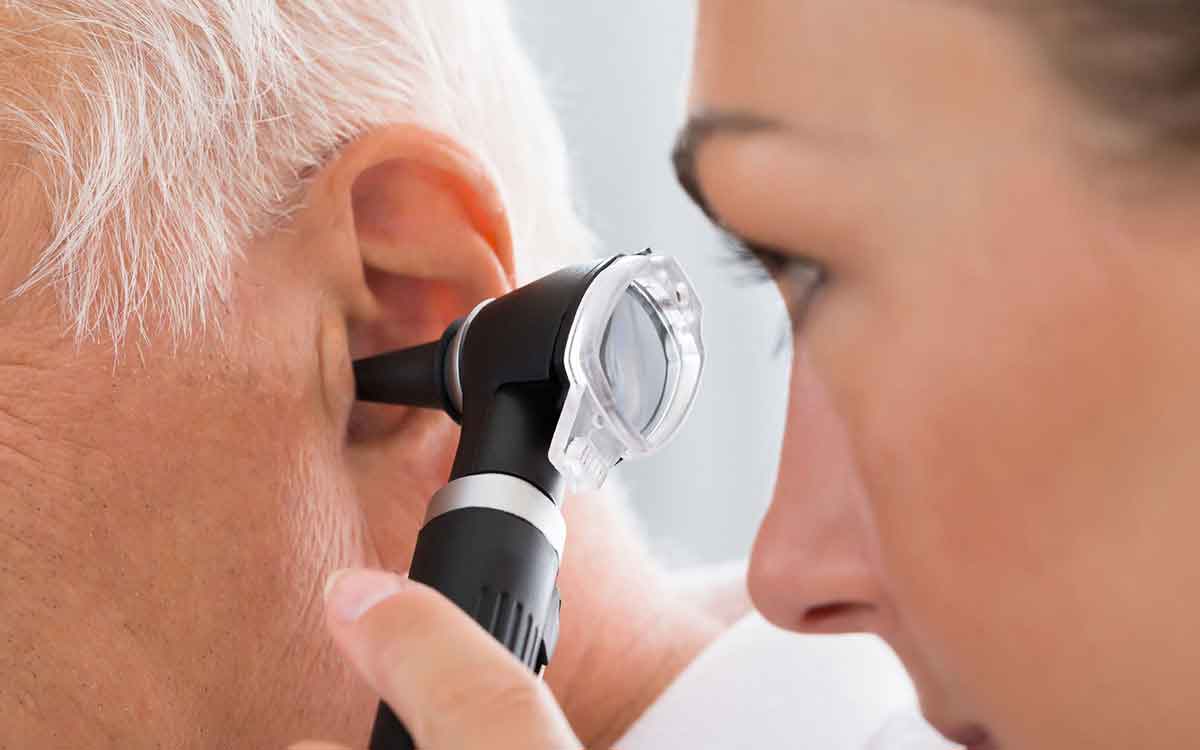
Auditory decline frequently advances as an incremental process, making it likely to be ignored during its early development. It is common for people to adapt to auditory changes by elevating device volume and avoiding social situations with significant background noise.
But identifying the initial symptoms of hearing loss is essential.
Recognizing Typical Early-Stage Hearing Loss Symptoms
If you observe any of the listed clinical signs, it may be time to have your hearing checked.
- Reduced clarity during social interactions in loud or crowded environments.
- Frequently requesting others to clarify their statements.
- Hearing indistinct vocal communication where words appear to merge.
- Turning up the volume on the TV, phone, or radio higher than others prefer.
- Trouble perceiving high-frequency audio, such as high-frequency vocalizations, birds, or doorbells.
- Ringing, buzzing, or humming in the ears (tinnitus).
- Feeling mentally exhausted after social interactions, due to the strain of auditory processing.
- Withdrawing from social gatherings because conversations feel overwhelming.
Early symptoms could be present in one or both ears and can fluctuate at first. As a result of rapid neural adaptation, many individuals remain unaware of their compensatory habits until the deficit is significant.
Auditory Health: Current Statistics and Projections
Projection by the World Health Organization indicates that over 700 million individuals will face the requirement for clinical hearing support by mid-century. Other relevant statistics include:
- By 2050, nearly 2.5 billion people are expected to experience various levels of hearing loss.
- More than five percent of the global community (roughly 430 million people) requires rehabilitation to manage significant hearing loss.
- In excess of 1 billion young adults face the threat of permanent hearing loss resulting from hazardous acoustic habits.
- Among those aged 60 and older, over 25% have clinically significant hearing loss.
Why Timely Auditory Assessment Matters
Untreated hearing loss can impact your overall health in ways you may not realize.
Scientific data connects hearing loss with increased risks of withdrawal, mental health challenges, impairment, and equilibrium problems.
Timely management provides better long-term prognosis and diverse therapeutic options.
Audiological testing differentiates between age-related decline, earwax blockage, or underlying infections.
Under certain conditions, auditory shifts are transient and treatable.
Alternatively, employing protective measures or hearing technology early can slow the advancement of hearing loss.
When to See a Hearing Specialist
A professional screening is warranted under the following circumstances:
- Clinical indicators persist for more than a few weeks.
- Auditory challenges interfere with work, relationships, or daily activities.
- Instances of sudden decline, dizziness, or persistent ringing require urgent clinical attention.
Hearing tests are painless and noninvasive, additionally they offer valuable insight into your hearing health.
Reach out to our hearing clinic today if you believe you would find value in a hearing evaluation.
Frequently Asked Questions: Recognizing Auditory Decline
Question: Is aging the sole cause of hearing impairment?
Answer: No. While common in seniors, hearing impairment can be caused by medications, loud noise, infections, or hereditary conditions.
Q: Can hearing loss be reversed?
A: In specific instances involving earwax or infection, hearing may be restored. Other types are permanent but can often be effectively managed with treatment or hearing devices.
Q: At what intervals should I have my hearing evaluated?
A: A baseline screening is advised by age 50, or sooner if clinical symptoms manifest.