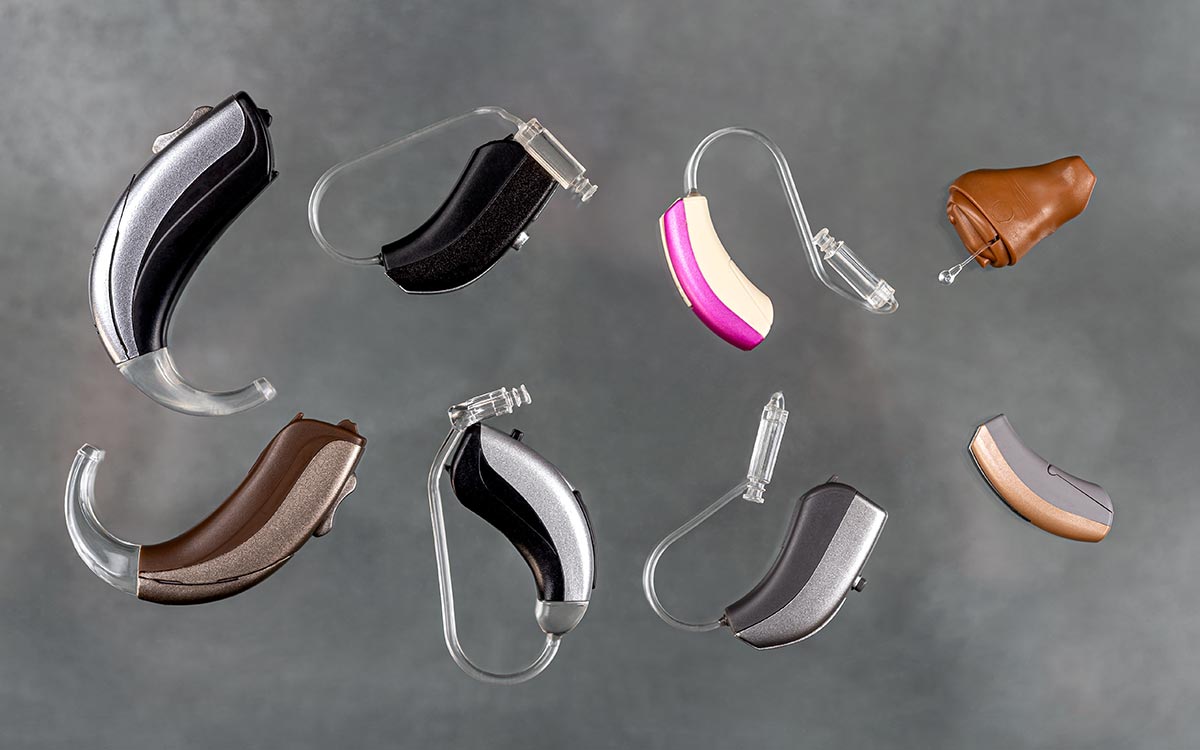
Selecting the right hearing aid for hearing loss or tinnitus can be an arduous task, given the vast array of styles, sizes, and technological features available in modern devices. However, an expert hearing solution exists for every person’s singular needs and daily habits. The key is merely choosing the one that fits you best.
By learning about the distinctions among various hearing aid models, you can move forward with greater confidence and knowledge. This guide examines the most popular styles and highlights the specific advantages each one offers.
Understanding ITC Models
The Layout:
These hearing aids are placed partly inside the canal, making them visible only slightly from the outside.
Key Selling Points:
- Highly discreet than larger models
- Individualized molding ensures long-term wearing comfort
- Works effectively for people experiencing mild hearing challenges
ITC devices offer a good balance between visibility and functionality, making them an ideal choice for first-time users.
Invisible-in-Canal (IIC) Hearing Aids
How they function:
These are the tiniest custom-made devices on the market today. These devices sit so deeply inside the ear that they are nearly impossible to see.
Why they are favored:
- The best choice for users prioritizing appearance
- Strategic positioning allows for an incredibly organic listening experience
- Designed for ease with an incredibly small footprint
Because of their small size, IIC devices typically work best for mild to moderate hearing loss and for those who prefer an almost invisible option.
Full and Half-Shell ITE Options
The Basics:
These models fill either the full or bottom half of the outer ear bowl. They are custom-made to fit the shape of your ear.
Why people choose them:
- Increased size allows for more features and longer battery life
- Great for individuals who find smaller devices difficult to manipulate
- An adaptable option that can address even significant levels of hearing loss
Many people prefer ITE devices because they offer a streamlined, self-contained design that doesn’t hook over the ear.
Exploring BTE (Behind-the-Ear) Styles
Functionality:
These devices rest on the outer portion of the ear’s anatomy. Audio travels through a specialized tubing or custom-fit mold into the ear opening.
Key Strengths:
- Known for being exceptionally adaptable and robust
- Effective for almost every level of hearing impairment
- Offer room for advanced features and rechargeable batteries
The combination of ease of use and powerful sound makes BTE aids an excellent contender for many patients.
Receiver-in-Canal (RIC) Hearing Aids
Design Specifications:
The RIC style keeps the main housing on the back of the ear while moving the receiver into the ear canal itself.
Key Pros:
- Very organic sound quality
- Offers an incredibly low-profile look that is comfortable for almost everyone
- Great for many levels of hearing loss
The combination of design and high-end functionality makes RIC models a top choice in the modern market.
Long-Term “Set and Forget” Hearing Aids
Operational Details:
A hearing specialist inserts these specialized hearing aids deep into the canal, where they stay for multiple weeks.
Lifestyle Advantages:
- Perfect for wearers who want to avoid the routine of handling hearing aids daily
- Offers a 100% discreet solution for hearing health
- Engineering enables them to remain in the ear during all facets of daily life
If you prefer an auditory solution that requires zero daily thought, the extended-wear style is perfect.
Wireless Smart Syncing
Digital Features:
Hearing aids with wireless connectivity that pair with smartphones, tablets, computers, and sometimes TVs.
Why go wireless:
- Allows for sharp voice calls and media streamed directly to the device
- Modify settings through a mobile tool
- Enhances daily life by making technology engagement seamless and clear
This wireless technology is located in most modern behind-the-ear and in-the-canal models.
Understanding Middle-Ear Implant Technology
Technical Description:
This technology requires a surgical procedure to place a device that mechanically stimulates the bones of the middle ear.
Medical Reasons:
- Option for people who cannot use traditional hearing aids
- This is an expert choice for those with chronic ear canal sensitivity.
Candidates for middle-ear implants must complete an exhaustive evaluation by a hearing specialist.
Finding the Hearing Aid That Suits Your Lifestyle
Since each hearing aid design has unique assets, the best choice is based on your specific hearing needs, your daily activities, and your aesthetic goals. A specialist can provide the guidance needed to conduct a hearing test, try different styles, and find the one that fits your life perfectly.
If you’re prepared to investigate the possibilities, schedule an auditory evaluation today. This simple step is the basis for improved hearing and better connections with those around you.
Sources:
https://www.mayoclinic.org/diseases-conditions/hearing-loss/in-depth/hearing-aids/art-
20044116
https://www.hearinglife.com/hearing-aids/types
https://www.nidcd.nih.gov/health/hearing-aids