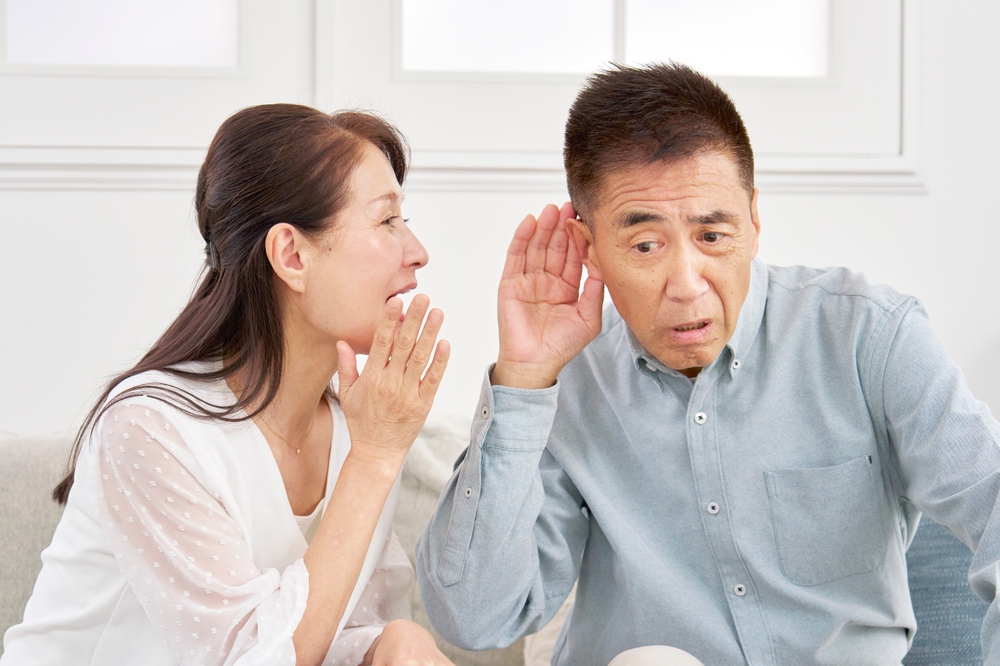
While auditory decline is statistically prevalent, pervasive misconceptions often deter individuals from pursuing clinical intervention. When managing hearing loss, timely intervention is a fundamental requirement for long-term health. Subscribing to auditory misinformation can hinder treatment timelines and compromise social connectivity.
Identifying the facts behind auditory health allows you to navigate clinical options with technical certainty. Let us explore seven widespread myths about hearing and the medical facts that provide clarity.
The Fallacy of Senior-Only Hearing Loss
While sensory shifts are frequent in seniors, hearing loss remains a cross-generational health concern. Factors such as acoustic trauma, genetic markers, ototoxic drugs, and viral infections trigger hearing issues in youth.
Labeling hearing loss as a senior-only problem often causes younger patients to overlook critical early warning signs.
The “I Can Still Hear” Fallacy
Clinical hearing loss exists on a spectrum and rarely results in immediate total silence. In fact, many people with mild or moderate hearing loss can still hear sounds, but they struggle to understand speech clearly. A broad range of auditory dysfunctions exists between asymptomatic hearing and complete deafness.
You might notice difficulty following conversations in noisy environments, frequently asking others to repeat themselves, or feeling mentally exhausted after social interactions. These markers represent initial auditory shifts that warrant a professional evaluation.
Myth: Auditory Decline is a Low-Stakes Issue
The impact of aural decline reaches into the cognitive and emotional well-being of the patient. Data shows that failing to treat hearing issues can lead to brain atrophy and emotional health challenges.
Addressing hearing concerns early helps protect not only your ability to communicate, but also your overall well-being.
Myth Four: The Deterioration Fallacy
The assumption that amplification leads to “lazy ears” is contradicted by modern audiological science.
When fitted correctly, hearing aids are safe tools for auditory rehabilitation. Instead, they amplify sounds based on your hearing test results. Utilizing amplification prevents auditory deprivation, keeping the brain’s speech-processing centers active.
5. Myth: Hearing Aids Are Large and Obvious
Recent innovations in hearing science have prioritized both power and miniaturization. Modern hardware has reached a peak of efficiency, offering discrete aesthetics with high-fidelity sound. Patients can now choose custom-molded options that sit deep within the ear canal for total discretion.
In addition to their size, modern hearing aids often include beneficial features like background noise reduction, Bluetooth connectivity, and automatic sound adjustments.
Myth Six: The Fallacy of “Wait and See” for Mild Loss
A “mild” diagnosis still carries the risk of social isolation and increased mental effort. Prompt intervention mitigates listening fatigue by making sound processing effortless for the neurological system.
Maintaining communicative fluency is far easier when you address auditory shifts in their infancy.
Myth: One-Size-Fits-All Hearing Solutions Work for Everyone
While some over-the-counter hearing devices may provide basic amplification, they are not customized to your specific hearing profile. Only a formal assessment can provide the data needed to create a truly effective and personalized treatment plan.
The difference between “generic” and “custom” is measured in both physical comfort and speech understanding.
Your Path to Clarity: Rejecting Common Hearing Fallacies
Feeling anxious about hearing changes is normal, but avoidance only exacerbates the underlying problem. But believing common myths about hearing loss can make symptoms more challenging over time. A professional assessment is an easy, stress-free way to gain total clarity on your ear health.
Should you perceive even minor shifts in your auditory acuity, a baseline exam is your most critical move. Intervening early is a proven strategy for maintaining a high standard of living through better hearing.
If you want to learn more about your hearing health or schedule a hearing evaluation, our team is here to help! Contact our office today to schedule your personalized hearing consultation.