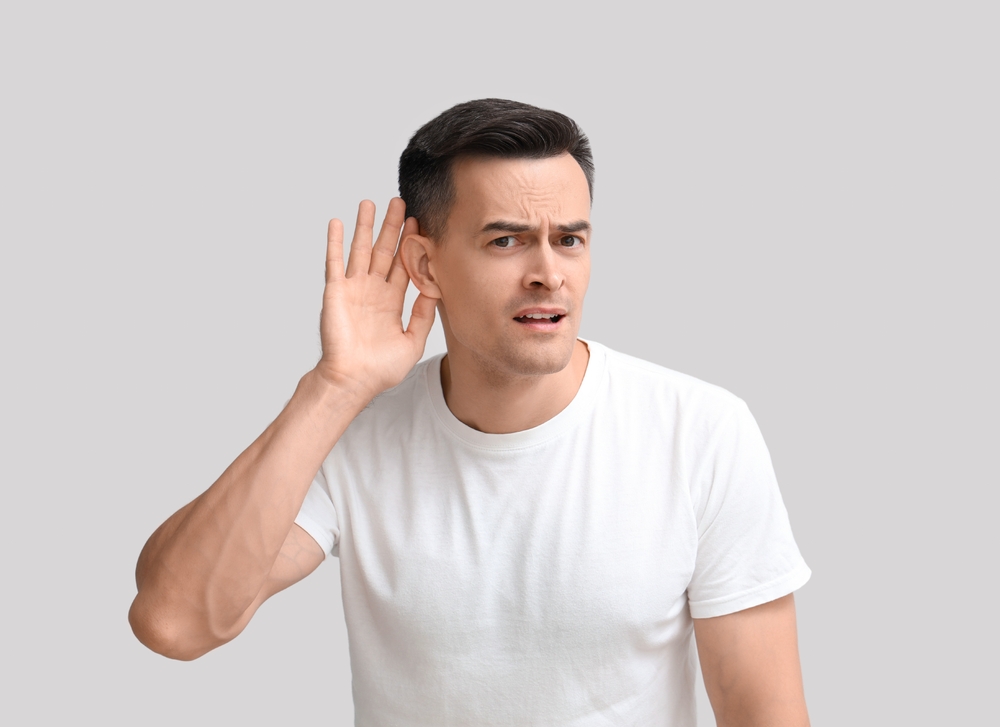
Do you often experience profound mental depletion following extended dialogue or crowded social events?
Many individuals mistakenly categorize this depletion as standard daily stress or emotional burnout. It is well-documented that social interaction requires significant energy for introverts and those with sensory integration challenges. Frequently, this specific type of burnout is actually triggered by chronic auditory fatigue.
Essentially, auditory fatigue is the result of the brain over-functioning to compensate for poor sound quality. The brain’s attempt to reconstruct incomplete audio data requires an immense amount of “processing power” and neural energy. Accumulated listening strain eventually manifests as the profound exhaustion associated with auditory fatigue.
Most individuals fail to distinguish between localized auditory fatigue and general fatigue. This type of burnout often points toward a functional decline in the auditory system. A comprehensive assessment can help determine whether hearing loss is contributing to your symptoms. If this cycle of exhaustion is recurring, consult an audiologist to investigate the influence of hearing loss.
Why Your Brain Suffers from Auditory Fatigue
Multiple variables contribute to heightened cognitive demand during sound processing, elevating the risk of auditory fatigue.
Untreated Hearing Loss
One of the most common causes is untreated hearing loss.
If the peripheral auditory system fails to deliver clear data, the brain must use context clues to guess the missing information. The mental labor required for constant speech reconstruction causes energy levels to plummet during social interaction.
Noisy Environments
High-noise environments significantly exacerbate the symptoms of auditory fatigue. Environments with significant background chatter make it difficult for the brain to isolate and prioritize relevant audio signals.
In multi-source sound environments, the brain must exert massive energy to suppress irrelevant noise. This intensive filtering often leads to cognitive overload, even in patients with “hidden” or sub-clinical hearing loss.
Tinnitus and Sound Distortion
Chronic tinnitus compounds listening effort as the brain struggles to ignore internal noise while focusing on external speech.
Degraded signal quality resulting from hearing loss forces the auditory cortex into an inefficient processing loop.
Clinical Red Flags for Auditory Fatigue
The manifestations of auditory fatigue impact both cognitive performance and systemic energy reserves. Common signs include:
- Sense of being “wiped out” after a basic discussion
- Difficulty concentrating during meetings or group discussions
- Onset of tension headaches following sustained auditory focus
- Feeling “on edge” or frustrated when trying to follow a conversation
- Self-isolation as a defense mechanism against listening effort
- The need for a “quiet recovery period” following social exposure
Should these signs become habitual, they serve as evidence of excessive cognitive load.
The Cognitive Cost of Auditory Decline
Under optimal conditions, the auditory cortex decodes language with minimal neural expenditure. Conversely, hearing loss forces the brain to redirect energy from other executive functions to assist in sound decoding.
Audiologists and neurologists define this extra effort as a high cognitive load. This energy shift often leaves the patient struggling with recall and attention while they try to listen. Over time, this extra effort can leave you feeling mentally depleted. Standard dialogue, which should be easy, becomes a high-intensity cognitive task.
How a Hearing Test Can Identify the Problem
Should listening effort compromise your quality of life, a clinical hearing test is the essential diagnostic tool. During a comprehensive hearing test, an audiologist will measure how well you hear different tones and speech sounds. Specialized “speech-in-noise” testing is often used to uncover deficits that are invisible during standard quiet-room exams.
The results of a hearing test provide the roadmap for addressing both the impairment and the resulting burnout. By catching these changes in their infancy, you can implement solutions before they damage your social and professional life.
Restoring Energy Through Hearing Care
Treating hearing loss can significantly minimize listening fatigue.
Modern hearing aids improve sound clarity by amplifying important speech frequencies and reducing background noise. By delivering a clean signal, these devices eliminate the need for the brain to expend energy on reconstruction.
Once auditory strain is reduced, the following areas often show significant improvement:
- Mental energy throughout the day
- Sharper concentration when speaking with others
- Reduced anxiety and heightened ease during social events
As the brain stops struggling to hear, the world of sound becomes a source of joy rather than a source of stress.
When Should You Schedule a Hearing Test?
It may be time to schedule a hearing evaluation if:
- You feel exhausted after conversations
- Loved ones notice that you frequently require clarification during talk
- Following a group talk in a restaurant feels nearly impossible
- Social withdrawal is becoming your default response to difficult acoustics
Seeking prompt audiological care is the most effective way to reclaim your energy and social confidence.
Frequently Asked Questions: Auditory Fatigue
Is auditory fatigue the same as hearing loss?
There is a difference: the fatigue is the neurological byproduct of the effort to hear. Most people experience auditory fatigue as a direct consequence of their hearing loss.
Will Hearing Devices Fix My Burnout?
By performing the filtering for you, hearing aids dramatically reduce daily mental exhaustion.
Can I Recover from Auditory Fatigue?
In many cases, auditory fatigue improves when the underlying cause (like untreated hearing loss) is addressed with proper evaluation and treatment.
Stop Feeling Drained After Conversations
You shouldn’t feel exhausted after everyday conversations. If you are suffering from chronic post-social burnout, your auditory system is likely over-exerting itself.
Don’t wait for the burnout to get worse; schedule your audiological check today. Total peace of mind is only possible when you understand the physiological roots of your fatigue.