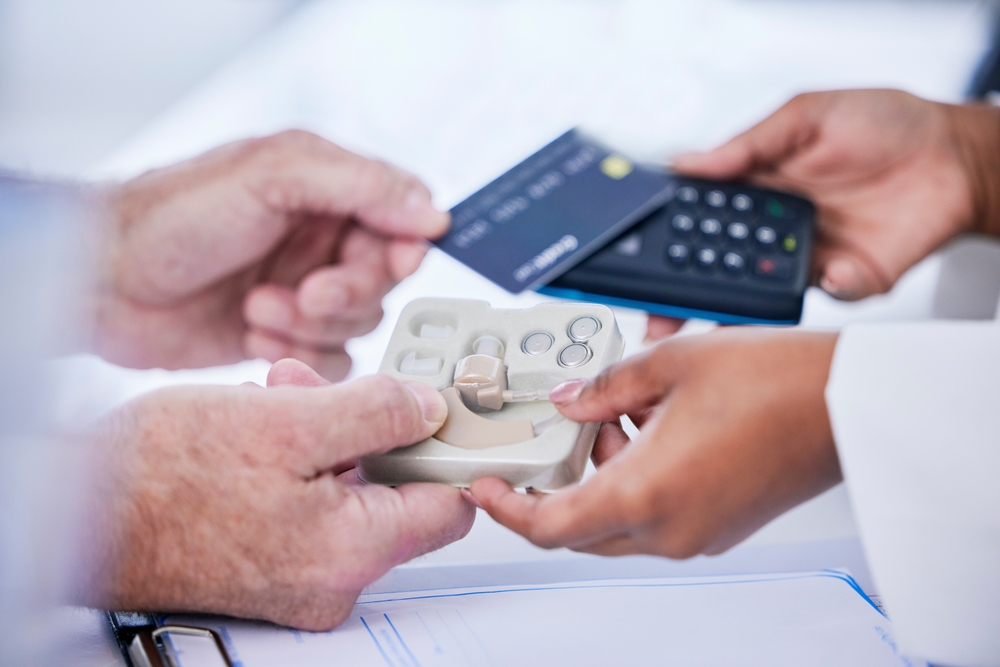
When exploring treatment options for age-related hearing loss or presbycusis, the initial clinical cost of amplification devices can be striking. Based on the sophistication of the digital signal processing and the required audiometric programming, these devices span a wide pricing spectrum. Such a capital requirement often surprises families, leading them to prematurely halt their pursuit of better auditory health.
The cost is real, but it’s not the whole story. Many don’t realize that the sticker price is rarely what you actually end up paying. By leveraging private insurance benefits, tax-advantaged health funds, and structural payment programs, the net cost can be minimized.
We provide this breakdown of available funding avenues to empower your decision-making before your consultation, optimizing your path to enhanced sound localization.
Navigating Insurance Policy Language for Hearing Aid Benefits
Before assuming you’ll be paying completely out of pocket, start with your insurance.
Commercial insurance programs exhibit a broad diversity in how they classify and fund auditory medical equipment. Certain contracts provide percentage-based co-insurance, whereas alternative policies offer a rigid monetary stipend. On the other hand, some don’t include hearing aids at all. To find out more, call the number on your insurance card and ask about hearing aid benefits. Inquire specifically about monetary caps, whether real-ear measurements and fittings are covered, and your preferred provider network status.
It is a critical policy rule that standard Medicare Part A and Part B provide no financial support for hearing hardware. Conversely, privately administered Medicare Advantage options frequently offer hearing-specific stipends as a core incentive.
For low-income individuals on Medicaid, regional state guidelines dictate the scope of available hearing care. Multiple state plans include provisions for adult hearing care, so consulting your local administrative specialist is highly recommended.
Leveraging Pre-Tax HSA and FSA Vehicles for Audiological Purchases
Possessing an HSA or an FSA equips the patient with a highly efficient asset for absorbing device costs.
Hearing aids are a qualified medical expense, which means you can use pre-tax dollars to cover the cost. This structural tax advantage fundamentally alters the true net cost of the medical hardware. As a case in point, combining a $2,000 equipment cost with a 22% tax bracket yields a net savings of several hundred dollars. It is vital to distinguish between persistent HSA balances and time-delimited FSA funds that vanish at year-end. This structural timeline makes it imperative to exhaust expiring corporate flex funds before the termination date! The IRS rules extend to both advanced prescription systems and compliant OTC variants, justifying a review of your account balance.
Utilizing Patient Financing Programs to Defer Auditory Technology Costs
Most established audiology centers provide entry points to dedicated consumer medical credit lines, eliminating the need for total upfront liquidation. Managed through medical financing leaders like CareCredit, these structures frequently supply zero-interest terms to qualified applicants. Consequently, patients are empowered to select the appropriate level of technological sophistication rather than compromising on their clinical needs.
Addressing installment options is a commonplace component of the overall treatment plan development. If the projected capital allocation is a concern, highlight this issue during your clinical consultation. Remember, there’s a reason all these options exist! And it because people shouldn’t have to put a huge strain on their finances just to be able to care for their health, including their hearing.
Veterans: Your Hearing Benefits May Be Greater Than You Think
Auditory trauma and tinnitus represent the most prevalent service-connected disabilities, prompting the Department of Veterans Affairs (VA) to maintain robust rehabilitation programs.
Qualified service members are frequently entitled to premium, custom-fitted hearing systems at zero cost via VA medical channels. Even if your documentation lacks an explicit acoustic connection, your broader VA medical tier might authorize these devices. If you have not yet audited your federal benefits, contacting a regional VA officer or requesting help from your clinic is a valuable next step.
Alternative Community-Based Grant and Aid Programs for Hearing Hardware
Independent philanthropic organizations and civic associations offer specialized avenues to mitigate the expense of hearing devices. Renowned non-profits like the Starkey Hearing Foundation and civic clubs like the Lions Club routinely sponsor individuals requiring acoustic aid. Additionally, select state health departments manage specialized equipment distribution programs for qualifying low-income residents.
Although these civic grants frequently carry rigid income thresholds and waiting intervals, they are highly valuable when commercial insurance fails. You can easily audit the baseline criteria on the respective organization’s web platform to begin the application process.
Evaluating the Clinical Role and Financial Impact of OTC Hearing Devices
Over-the-counter (OTC) hearing aids are a lower-cost option, typically ranging from $200 to $1,000 per pair. They can be helpful for adults with mild to moderate hearing loss.
However, omitting an individualized audiometric diagnostic fitting frequently leads to suboptimal user satisfaction and poor device retention. When managing confirmed moderate or severe auditory degradation, custom prescription systems configured by an audiologist provide superior long-term outcomes.
Before selecting an unprescribed consumer device to save capital, obtaining a clinical hearing assessment ensures diagnostic accuracy. Retail devices function adequately as a temporary placeholder while awaiting insurance pre-authorization or institutional grant approvals. They provide immediate, basic acoustic access that outperforms unamplified conditions, though they lack long-term clinical viability.
A Collaborative Approach to Affordable Hearing Care and Device Selection
Our clinical team specializes in managing financial procurement and insurance coordination on a daily basis. Most individuals are pleasantly surprised by the diversity of available payment pathways once analyzed.
We request that you present your comprehensive policy details during your consultation so we can map out covered benefits and structure an affordable plan. Phone our office location today to secure a consultation slot or coordinate your evaluation via our website. We’re happy to help you find a solution for hearing aid costs that feels manageable.